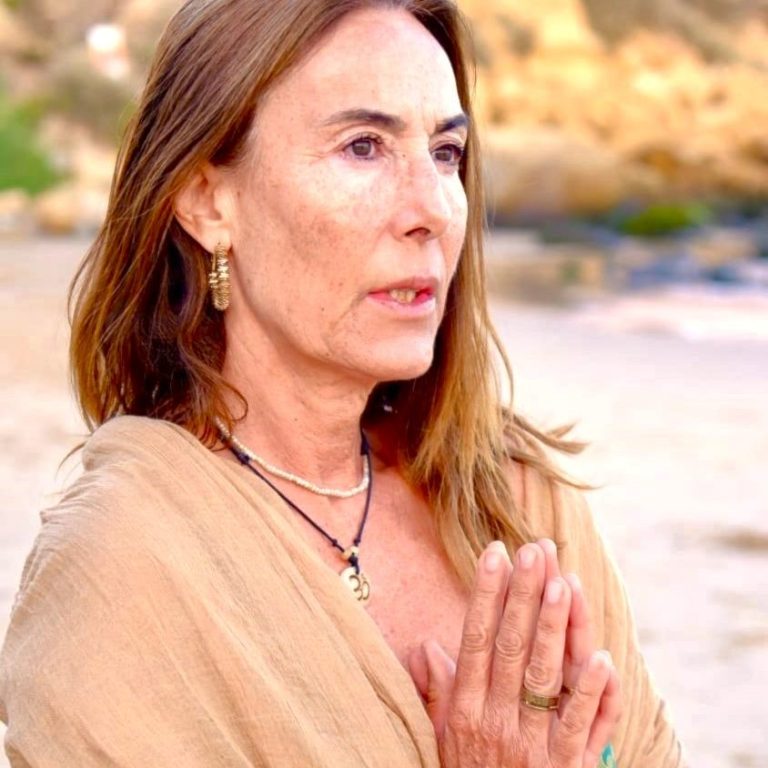
Wellbeing is not a perfect goal. It is a daily relationship with your body, your energy, your limits and the world you choose to inhabit.
01
Breathe
A seven-minute pause to return to the body before deciding.
Why it matters
Breathing is the most direct bridge between your nervous system and your daily life. When you are in doing mode, the rhythm shortens and the mind speeds up. Breathing consciously reminds your body that you are safe, that you can choose how to respond instead of reacting.
Exercises and techniques
Box breathing: inhale four, hold four, exhale four, hold four. Repeat seven times.
Alternate nostril breathing (nadi shodhana): with one hand near the nose, close the right side and inhale through the left; close the left and exhale through the left; inhale through the right; close the right and exhale through the right. Keep alternating without forcing.
Belly breathing: place a hand on your navel. Inhale letting the belly expand, exhale drawing it in.
When to practise
In the morning before turning on your phone, before a difficult conversation, or when you notice your chest is tight.
What you can expect
Helps you slow down and return to the present. Clears the mind when there is too much noise. Helps you notice tiredness before it builds up.
02
Move
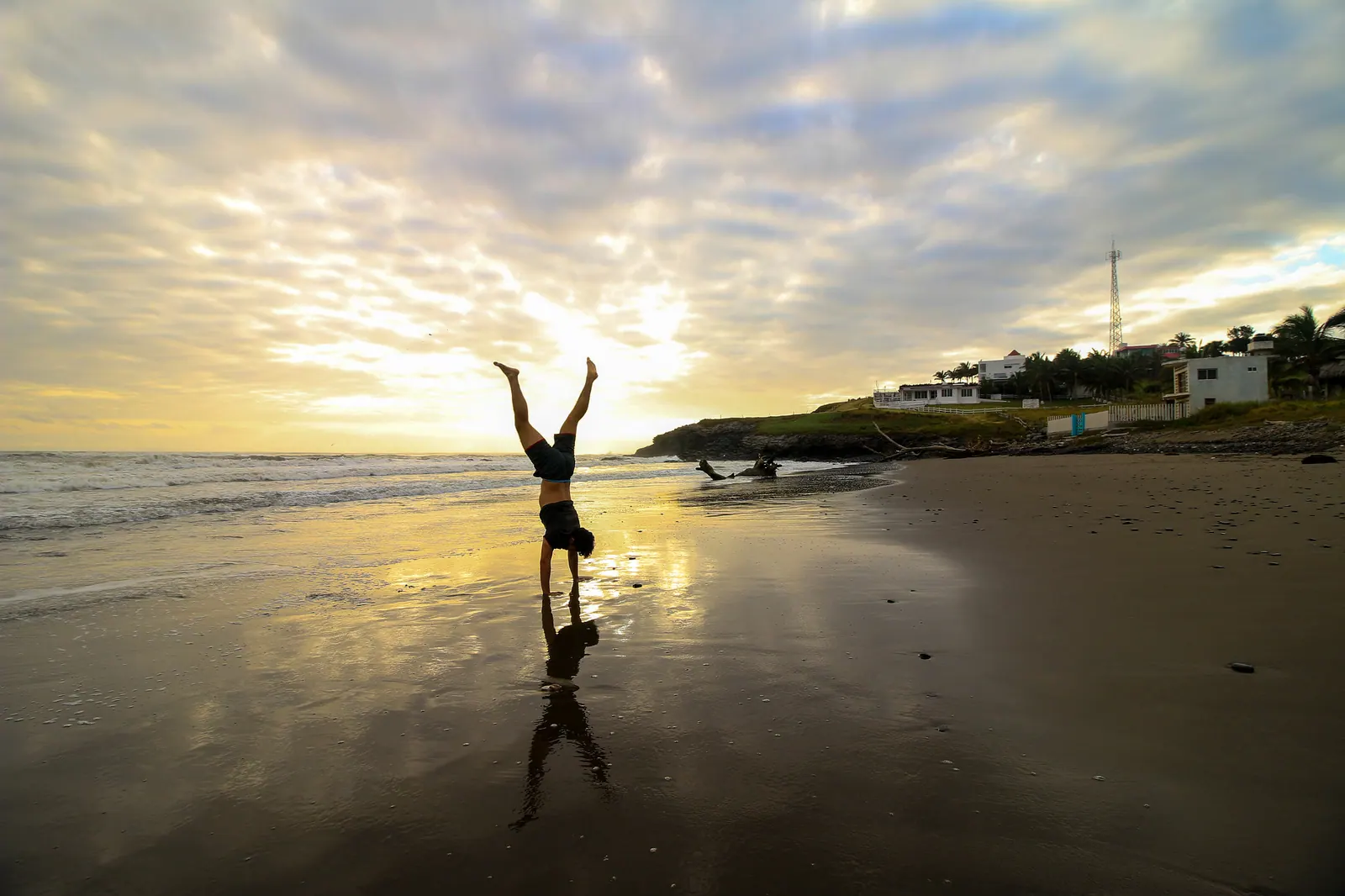
Gentle yoga and mindful walks to recover energy without demand.
Why it matters
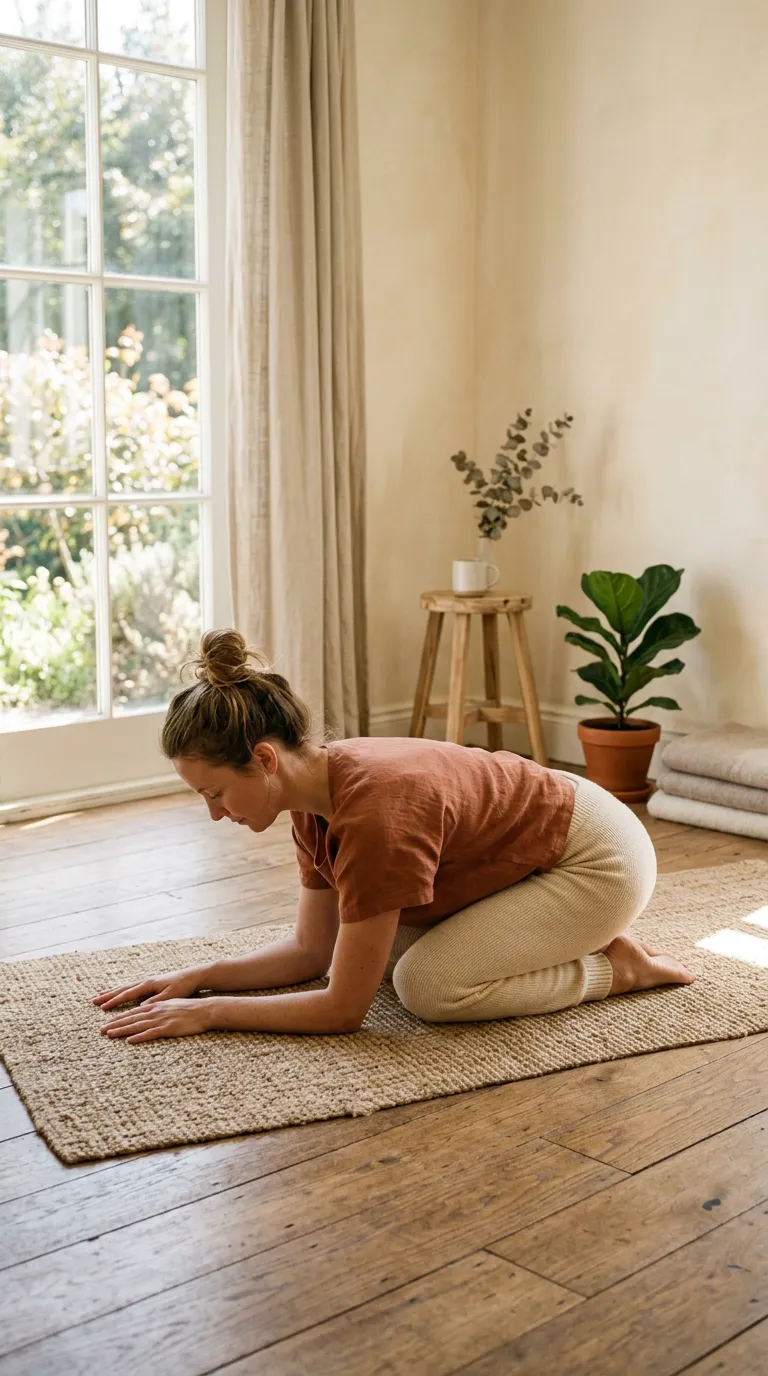
The body stores memories the mind does not want to name. When you move with attention, you release tension held in the shoulders, the jaw, the lower belly. It is not about performing, but about inhabiting your own body with care.
Exercises and techniques
Slow sun salutation: five rounds at your own pace, breathing in each position. Do not look for the perfect shape; look for the one that supports you today.
Five-minute barefoot walk: notice the ground under your feet, the temperature, the sounds around you. No destination.
Gentle rotations: neck, wrists, ankles. Three minutes before sleep to let the day go.
When to practise
After sitting for a long time, when the mind gets tangled, or at the end of the day to mark a before and after.
What you can expect
Supports deeper rest. Releases accumulated tension. Helps you recover energy without stimulants.
03
Nourish
Simple rituals inspired by Ayurveda to listen to your needs.
Why it matters
Nourishing is not only eating. It is choosing, preparing and savouring. In Ayurveda, the way you eat influences your mental and emotional state. When you turn food into ritual, you stop filling gaps and start honouring your body.
Exercises and techniques
A welcoming cup: prepare your hot drink with all five senses. Notice the aroma, the colour, the warmth in your hands, the first sip.
A meal without screens: fifteen minutes eating in silence or with soft music. Chew slowly, notice textures.
Warm lemon water on waking: hydrates, wakes up digestion and marks a conscious start before coffee.
When to practise
At every meal. Especially useful when you eat from anxiety, boredom or hurry without noticing.
What you can expect
Invites you to eat with more attention. Helps you tell real hunger from emotional hunger. Supports a kinder relationship with food.
04
Share
Circles and tables where a conversation can open a new path.
Why it matters
Women need spaces where they can be heard without having to explain too much. In a circle, one woman’s words hold another’s. Sharing is not talking more; it is saying what is true among women who are also on their way.
Exercises and techniques
Circle of three: meet two friends. Each one shares how she arrived at the week without interruption. Nobody fixes, nobody judges.
A letter you do not send: write to the person you need to hear. Then keep it or burn it. It is not about closure, but about naming.
Everyday tables: invite someone you want to talk to honestly for lunch. No agenda. Just being.
When to practise
When you feel lonely surrounded by people, when you need perspective, or when you want to celebrate a small step.
What you can expect
Reduces the feeling of isolation. Reminds you that your experience does not need external validation. Creates bonds that hold you on difficult days.
Practice and wellbeing
A rhythm you can sustain
You do not need to change everything to begin.
Monday · Prepare
Ten minutes to notice how you arrive at the week and choose one possible intention. Not perfect. Possible.
Tuesday · Breathe
Five minutes of conscious breathing mid-morning. Outdoors if you can.
Wednesday · Regulate
A twenty-minute movement practice. Gentle yoga, a walk with no destination, or stretching on the floor.
Thursday · Nourish
Choose one meal to prepare calmly. With music, without screens, with all five senses.
Friday · Share
Message the person you want to talk to honestly. Or write down what you need to release before the weekend.
Saturday · Rest
No routine. No goals. Let the day surprise you. If movement comes, good. If silence comes, good too.
Sunday · Close
Fifteen minutes to review the week without judgement. What held me? What weighed on me? Choose one word for next week.
Adapting is moving forward
Tuning the rhythm to the season.
Practices are not fixed rules. Each season asks something different of the body, the energy, the light. I learned it on retreats and in daily life: what works in summer can be a weight in winter.
Spring
The body wants to move. Swap static practices for longer walks, stretching in the park, and food rituals with fresh ingredients. It is a time to sow, not to hold on.
Summer
Heat asks for less demand. Reduce movement intensity and increase conscious hydration. Breathe through your mouth if you need to. Practise at dawn or dusk, when the light is different.
Autumn
The body tends to close. Wrap your routine in emotional warmth: hot meals, cups in your hands, slower breathing. It is time to release what weighs, like falling leaves.
Winter
Cold asks for shelter. Allow more rest, more silence, fewer plans. Breathing matters more than ever. Practise indoors, in low light, like a return to yourself.
You already have everything you need
Minimal tools, total access.
I insist on not accumulating. Wellbeing is not bought. These tools are bridges, not requirements. Use what you have nearby.
A clean space
You do not need much. A corner with natural light where you can be for five minutes without interruption.
Water and a cloth
Warm water for your hands, a soft blanket for the floor, a scarf if you want to cover your eyes.
Your phone on airplane mode
It is not an enemy. Put it on airplane mode during your practice. Let it not vibrate. Let it not ask.
A small notebook
Not to write a lot. To note a word, a sensation, an intention. No pressure.
María Gemma’s voice
This is not theory. It is what I do.
I have spent more than ten years accompanying women along these paths. Not because I have all the answers, but because I have learned to listen to the right questions.
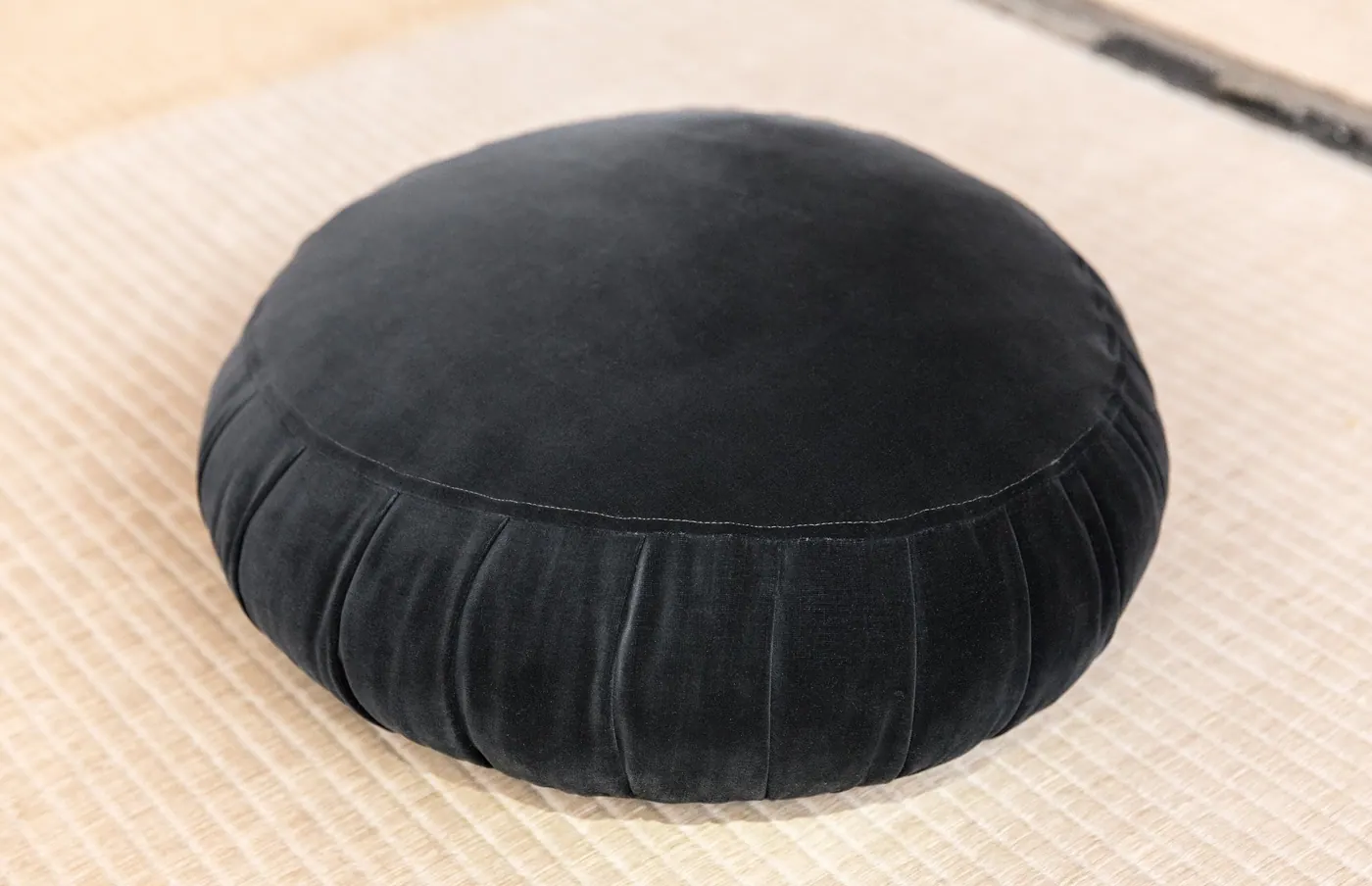
Every morning, before anything else, I sit for five minutes. I cannot always do seven. I do not always want to. But I sit. In those minutes I decide whether the day belongs to me or whether I let it be taken.
You do not need a retreat, a journey or a radical change. You need a corner where you can be honest with yourself. That is the guide I share here: not the perfect guide. Mine. The one I can sustain even on grey days.
María Gemma
To take with you
Keep this guide where you can see it.
You do not need to read it in one go. Return to a practice when you need it, print it if that helps, or keep it on your phone as a gentle reminder.
This guide shares wellbeing practices and personal experience. It is not a substitute for professional medical, psychological or nutritional advice. If you have a health condition, are pregnant or are in treatment, consult your medical team before starting.